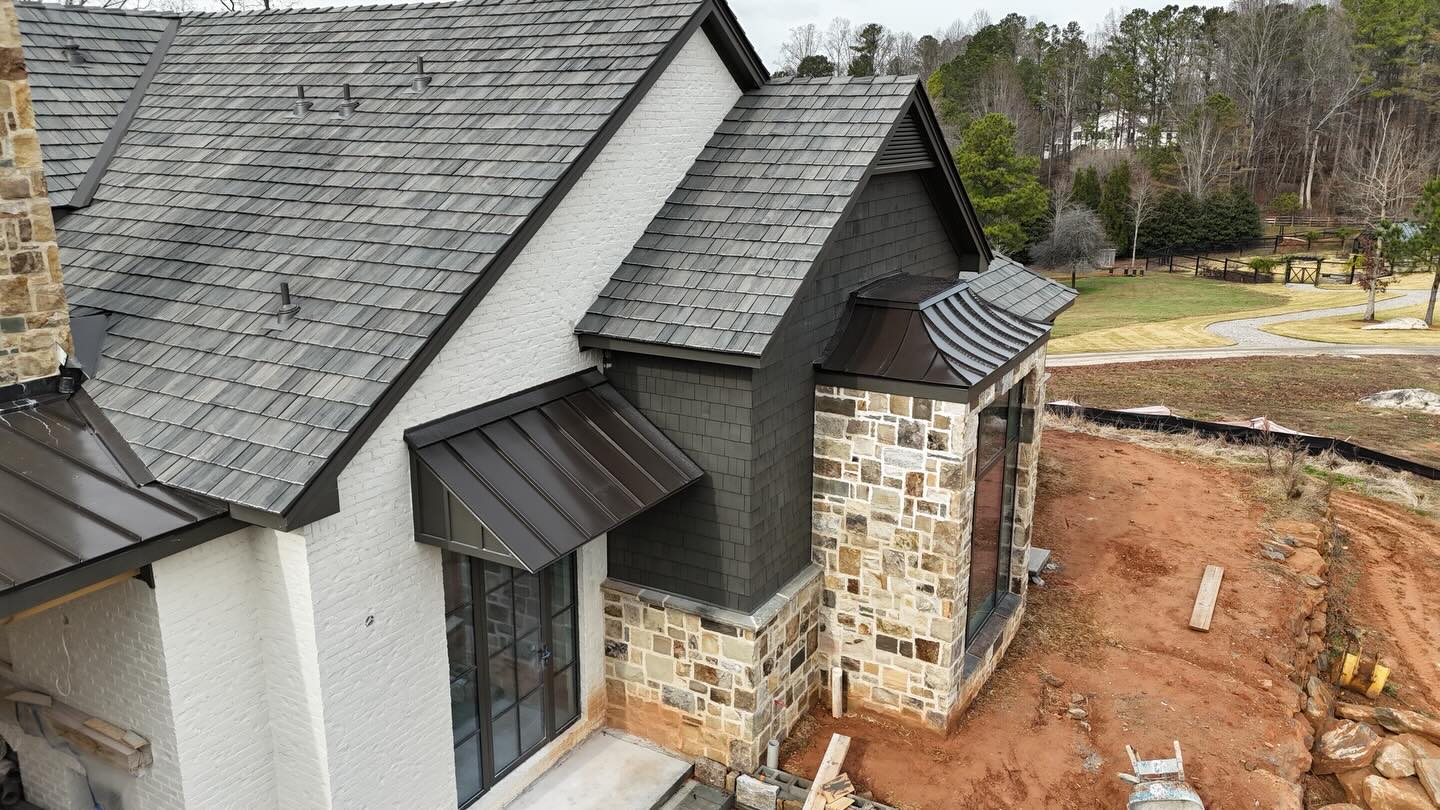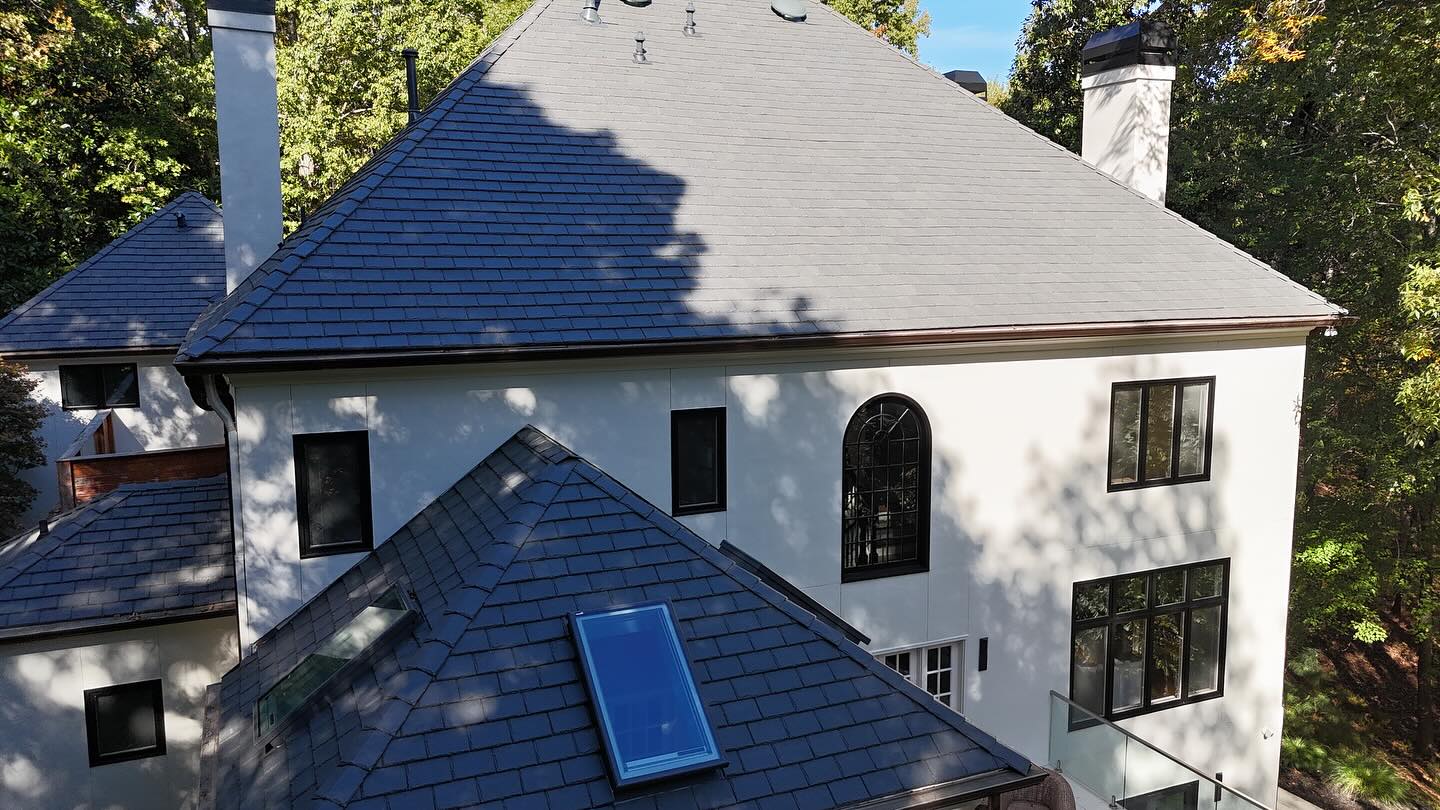
How Long Does a Slate Roof Last in Georgia
How Long Does a Slate Roof Last in Georgia?
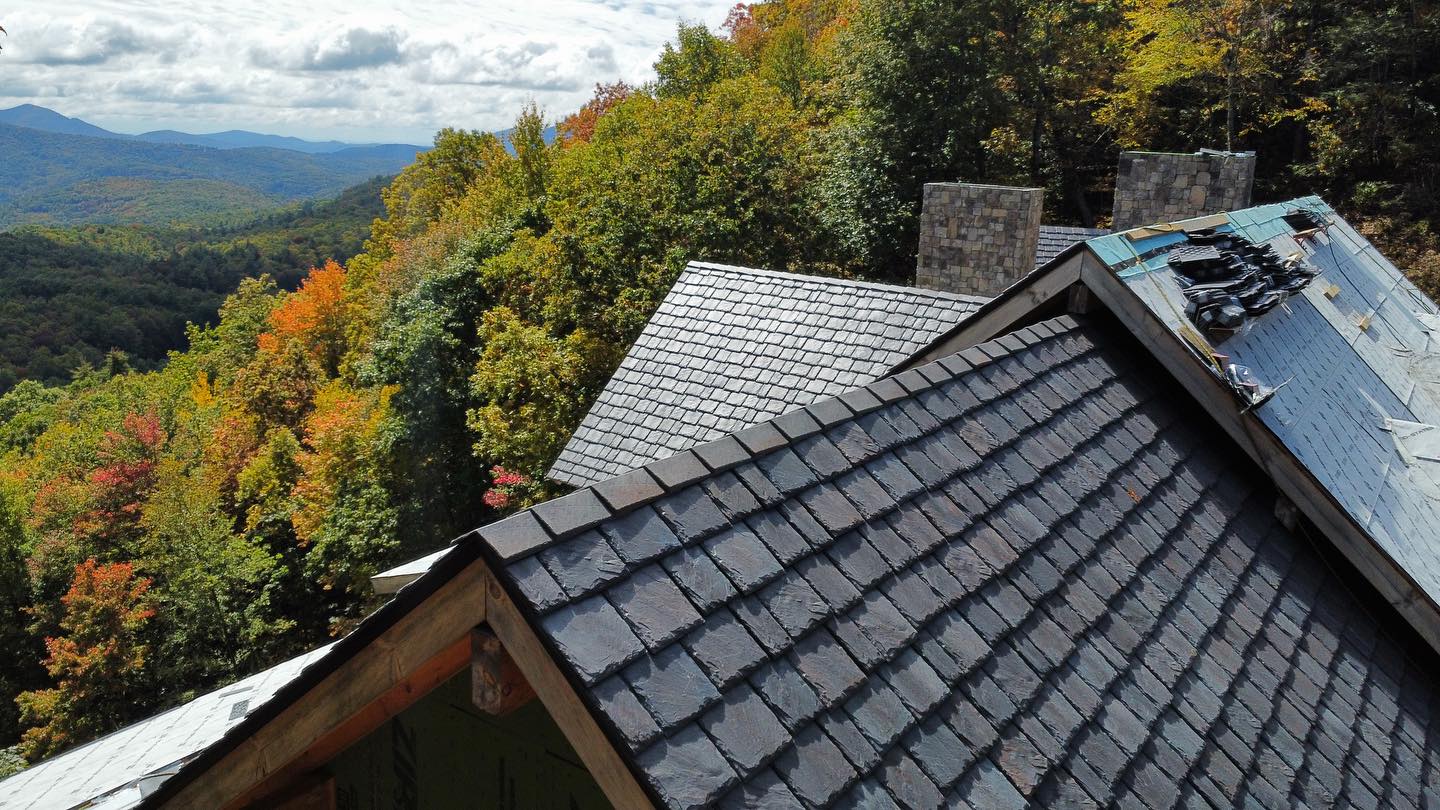
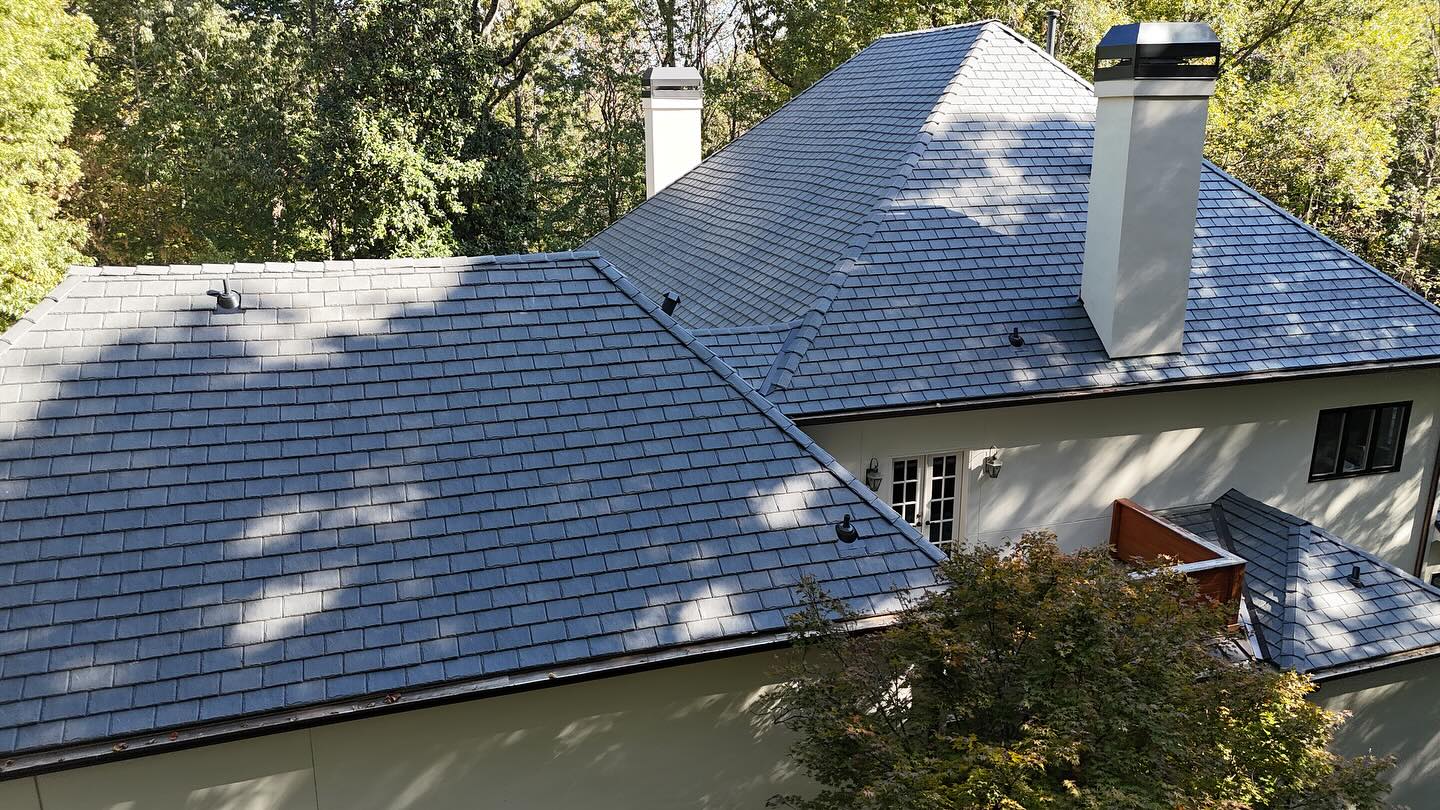
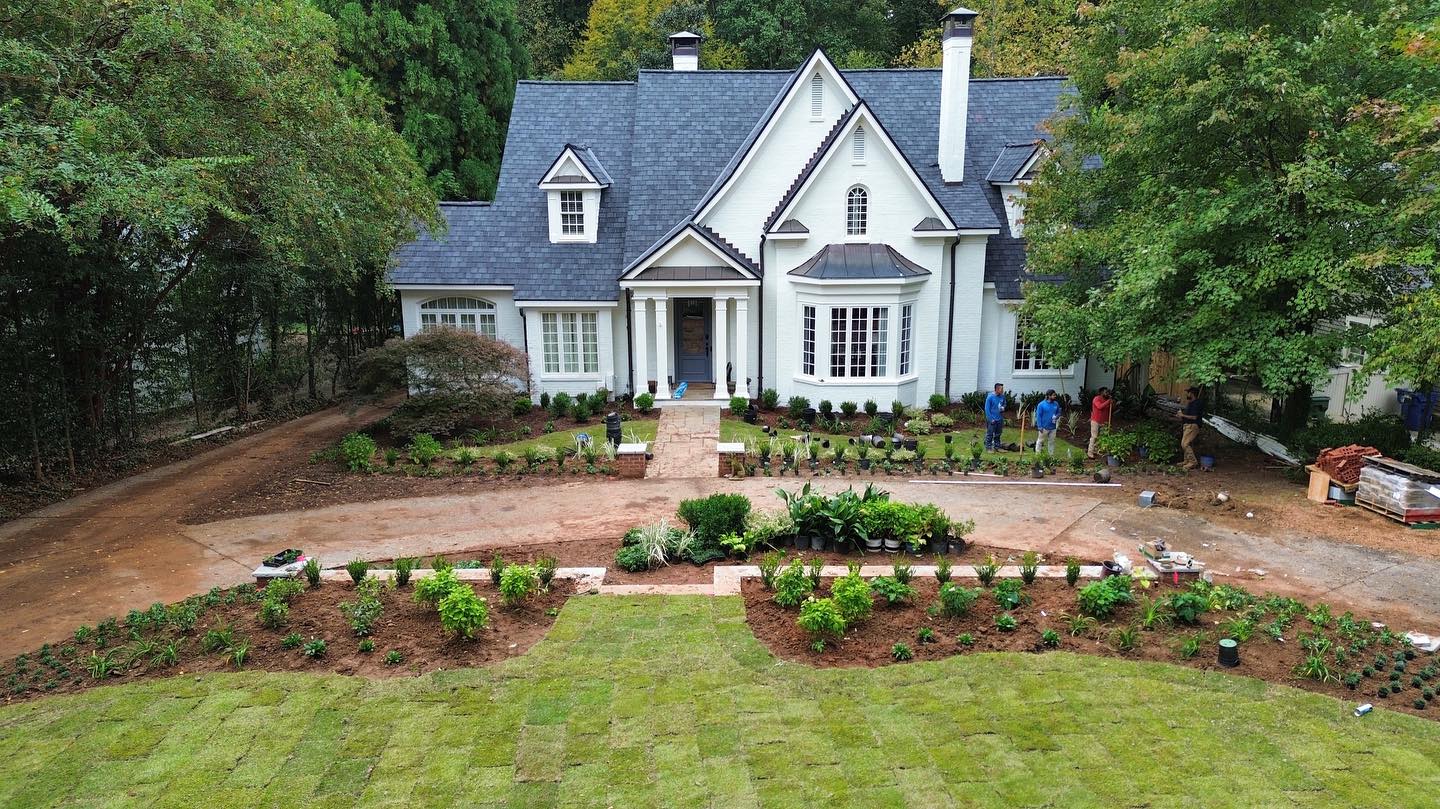
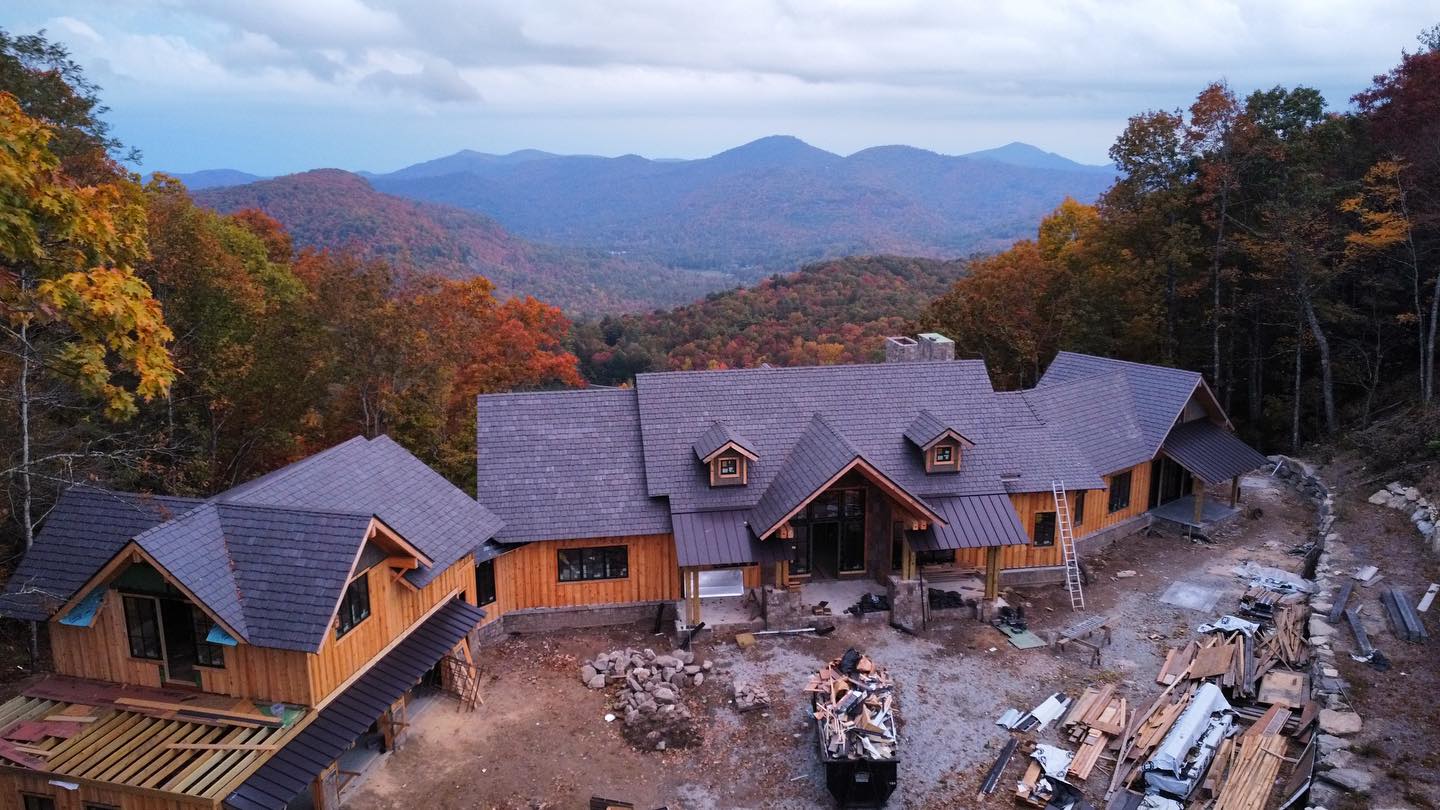
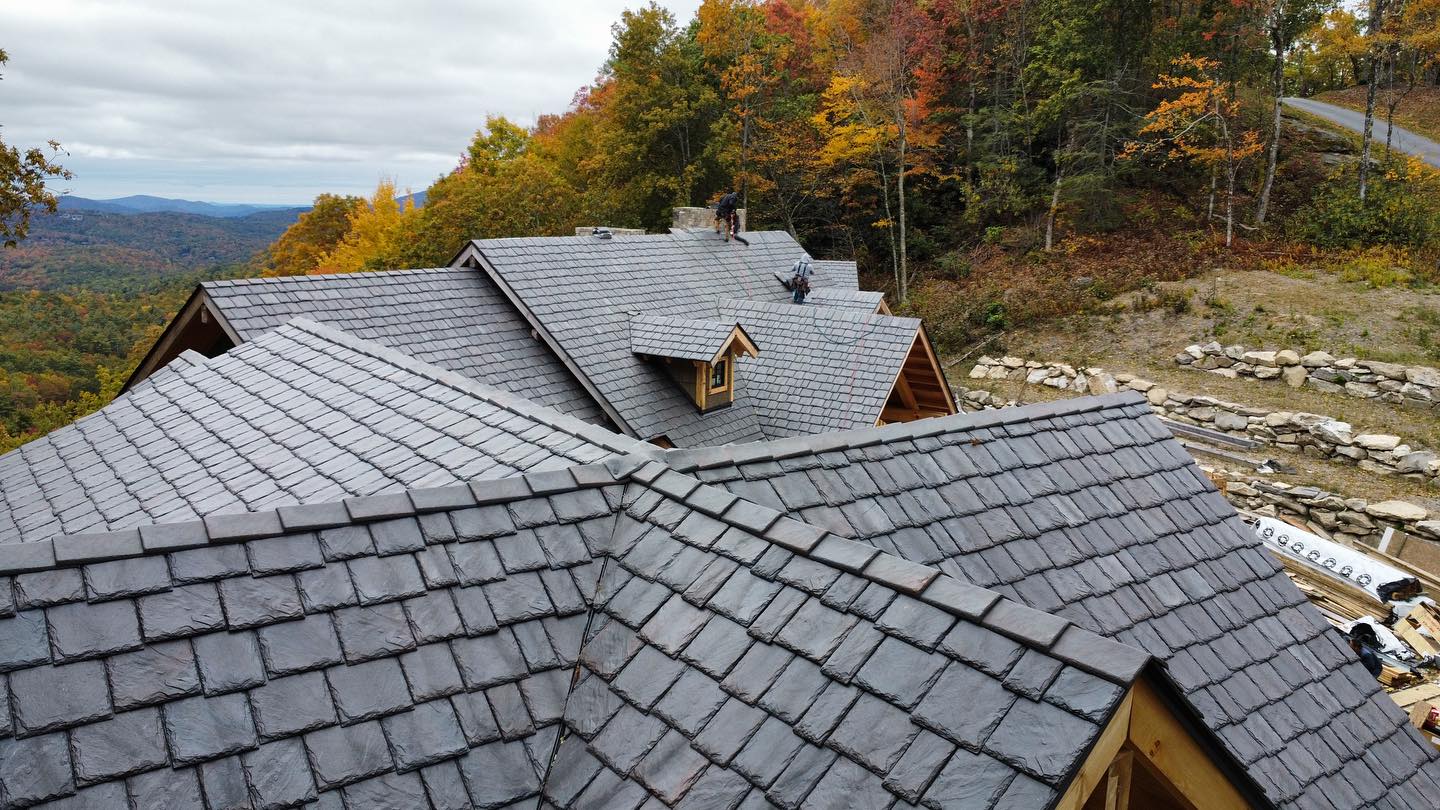
A properly installed slate roof can last 50–150+ years, and in some cases even longer. In Georgia, the exact lifespan depends less on the slate itself (which is naturally long-lasting) and more on the details that surround it: installation quality, flashing, ventilation, storm exposure, maintenance, and how quickly small issues are corrected.
At Renewal Roofing, we install and service premium roofing systems across Georgia and the South, including slate and other high-end materials. If you own a slate roof (or you are considering one), contact Renewal Roofing today to schedule a free consultation so we can help you choose the right system and protect your investment.
What’s the typical slate roof lifespan in Georgia?
Most homeowners in Georgia can expect a slate roof to last:
- 50–75 years with average maintenance and standard flashing details
- 75–100+ years with high-quality installation and proactive upkeep
- 100–150+ years when the slate is premium-grade and the roof system (underlayment, flashing, ventilation, fasteners) is designed and maintained for longevity
The slate itself is often not the first thing to fail. In many cases, metal flashings, fasteners, roof penetrations, and valleys determine when a slate roof needs major work.
Why slate roofs can last so long
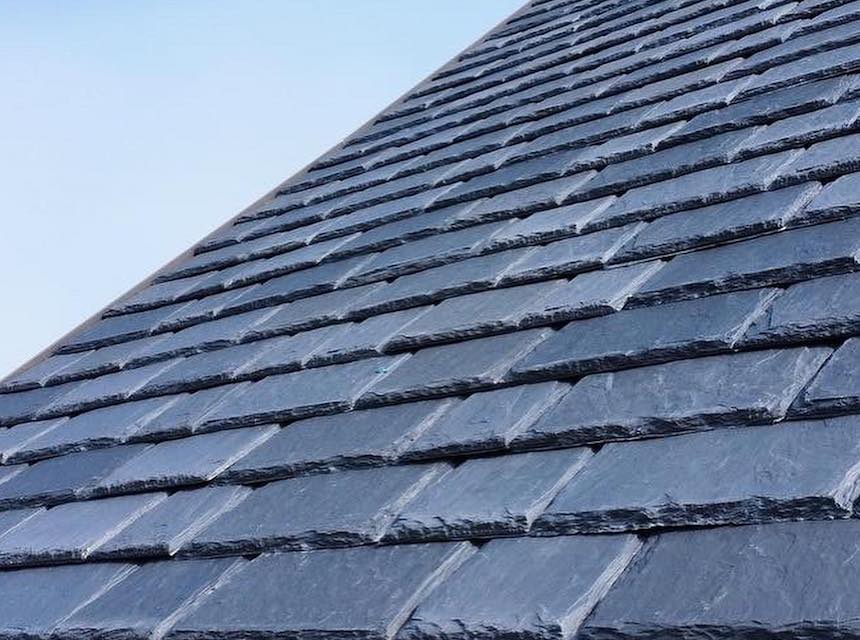
Slate is a natural stone product. It’s dense, durable, fire-resistant, and highly resistant to rot and insects. For luxury homes, slate is also one of the most timeless architectural finishes you can choose. But slate’s longevity only matters if the roof is built like a system. A slate roof’s long-term performance depends on:
- Proper layout and fastening
- Correct slope and drainage design
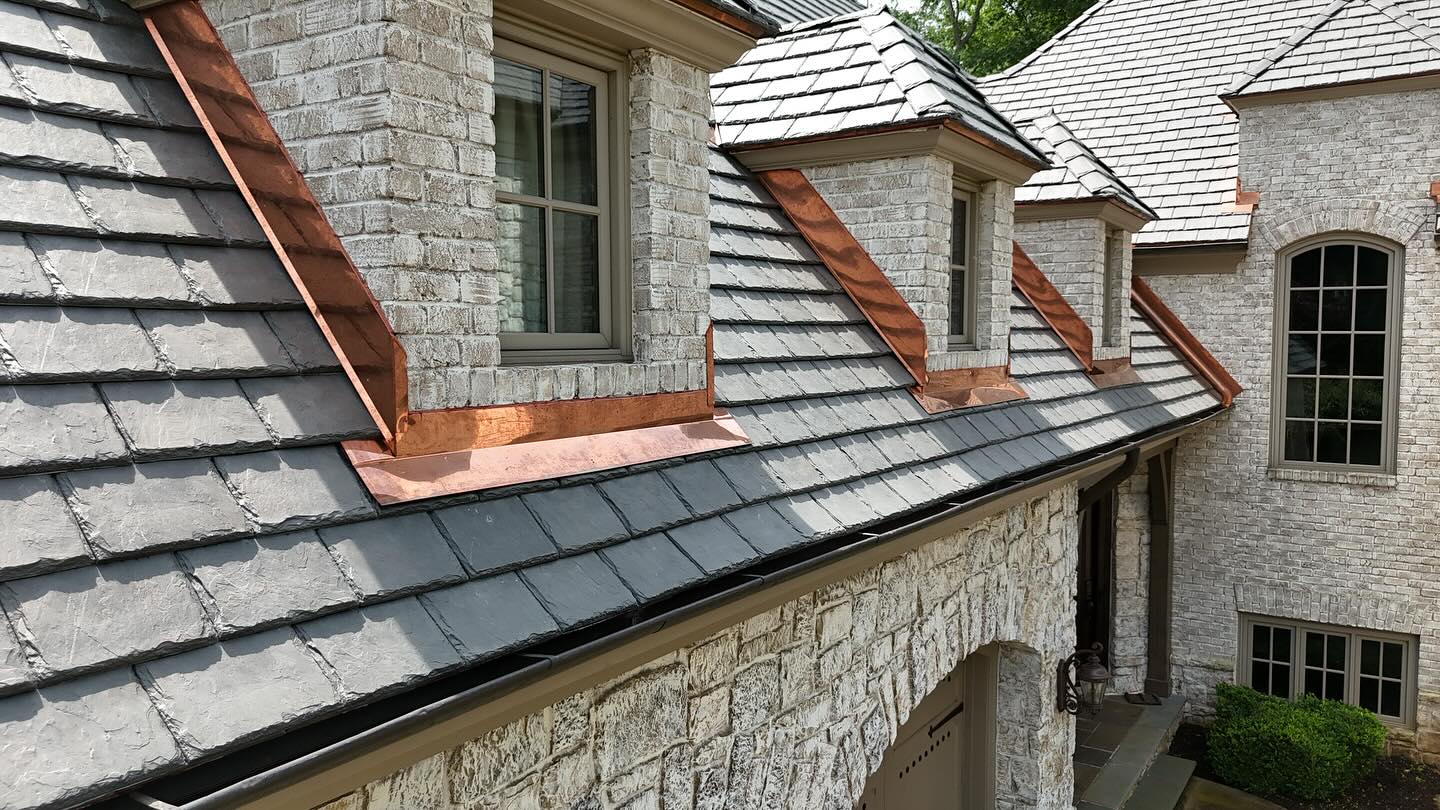
- High-quality flashings at chimneys, walls, valleys, and penetrations
- Ventilation that controls heat and moisture
- Skilled repairs that preserve the integrity of the field slate
Georgia-specific factors that affect slate roof lifespan
Georgia’s climate is generally favorable for slate, but several regional factors can shorten its lifespan if the roof isn’t designed and maintained properly.
1) Heat + humidity (and what it does to the roof system)
Slate handles heat well, but Georgia’s heat and humidity can impact:
- Underlayment aging
- Wood decking movement
- Condensation risk in poorly ventilated attics
If ventilation is inadequate, moisture can build up and lead to decking issues, mold, or premature failure of supporting materials.
2) Heavy rain and storm cycles
Georgia storms can expose weak points quickly, especially at:
- Valleys
- Chimney flashings
- Skylights
- Dormer walls
- Roof-to-wall transitions
A slate roof can look “fine” from the ground while water is entering at a flashing detail.
3) Wind events and falling limbs
Slate is heavy and durable, but wind-driven debris and tree limbs can:
- Crack individual slates
- Damage ridge/hip caps
- Bend or loosen flashings
The good news is that slate roofs are often very repairable when damage is caught early.
4) Installation quality (the biggest factor)
A slate roof is not a “standard” roof. It’s a craft installation. Common installation problems that shorten lifespan include:
- Improper nail type or placement
- Incorrect headlap/exposure
- Poor valley design
- Flashing shortcuts
- Inadequate ice-and-water protection in vulnerable areas
If a slate roof was installed incorrectly, you may see recurring leaks even though the slate tiles themselves are still in good condition.
What usually fails first on a slate roof?
If you’re trying to predict lifespan, it helps to know what typically wears out first:
Flashing and sheet metal details:
Most slate roof leaks come from flashing failure, not “worn-out slate.” Chimneys, step flashing, counterflashing, valleys, and roof penetrations are common culprits.
Fasteners:
Over decades, nails can corrode or loosen, causing slates to slip. This is one reason why repair technique matters. A rushed repair can create more problems than it solves.
Underlayment:
Underlayment is not meant to be the primary waterproofing layer, but it does matter. As it ages, the roof becomes less forgiving if a slate cracks or shifts.
Mortar at ridges/hips (on some systems):
Depending on how ridges and hips were built, mortar can crack over time and require attention.
Signs your slate roof may need service (even if it “looks fine”)
If you own a slate roof in Georgia, keep an eye out for:
- Water staining on ceilings or around chimneys
- Musty attic odors or visible moisture
- Slates that look out of alignment or “missing”
- Cracked slates after storms
- Rusted or loose flashing
- Granules or debris collecting in valleys and gutters
If you notice any of these, it’s smart to schedule an inspection sooner rather than later.
How to make a slate roof last longer in Georgia
A luxury slate roof is one of the best long-term roofing investments you can make, but it deserves proactive care. Here’s what we typically recommend:
Schedule routine inspections
- Annually for most homes
- After major storms (wind, hail, fallen limbs)
Keep water moving off the roof
- Clean valleys and gutters
- Address clogged downspouts
- Watch for overflow that can saturate fascia and soffits
Fix small issues early
A single cracked slate or a small flashing gap can become interior damage quickly. Early repairs are usually:
- Less invasive
- More cost-effective
- Better for preserving the original slate field
Use a contractor who specializes in premium roofing
Slate requires specialized handling and repair methods. The goal is to preserve the roof, not “patch it like asphalt.” Trust Renewal Roofing for all of your slate roofing needs.
Is a slate roof worth it in Georgia?
For many high-end homeowners, yes. Slate offers:
- Timeless curb appeal
- Exceptional longevity
- Strong performance in heat and rain
- High-end architectural value
The key is choosing the right system and the right installer.
Schedule a slate roof consultation with Renewal Roofing
If you have a slate roof in Georgia (or you’re considering one), Renewal Roofing can help you understand the expected lifespan, identify weak points, and plan the right maintenance approach.
Contact Renewal Roofing today to schedule a free consultation. We’ll walk you through material options, flashing details, and what it takes to protect a luxury roof for decades.